
Stop vertical integration to keep Saskatchewan’s cannabis market open, fair, and competitive.
British Columbia, Alberta, Manitoba, Ontario, and Quebec all place structural limits on vertical integration in cannabis. Saskatchewan does not. That gap concentrates market power, reduces retailer choice, and squeezes independent suppliers. The Saskatchewan Liquor and Gaming Authority (SLGA) can fix it.
This campaign does not accuse any company or individual of wrongdoing. It asks Saskatchewan to align its cannabis market structure with the safeguards already used across the country.
"Open Market" Doesn't Mean What You've Been Told: Why Saskatchewan's Cannabis Model Is Private, But Not Open
A framing has begun circulating that Saskatchewan's privately operated system is Canada's "open market," and that provinces with a neutral wholesale layer are the "vertically integrated" ones. That gets the terminology backwards. A government wholesaler separates the tiers; vertical integration combines them. This briefing sets out the definitions, the concentration data, and direct answers to the most common counterarguments — including why restricting vertical integration does not mean a government monopoly.
Concentration is already visible in the numbers.
Where wholesale, retail, and brand interests are allowed to align, an increasing share of Saskatchewan cannabis wholesale dollar sales flows through a single vertically-integrated listing group. This is the predictable outcome of a market with no structural limits on vertical integration.
Estimated share of Saskatchewan cannabis wholesale dollar sales tied to a single vertically-integrated listing group
June 2023
June 2026
Data was obtained through Headset. The dataset is not exhaustive; it is representative of the observed change in market concentration over the period shown.
Important disclaimer
This website is an advocacy and information resource. It does not make legal findings, regulatory findings, or findings of wrongdoing by any company, regulator, or individual. Any concerns described on this site should be understood as issues for review, investigation, or public discussion by the appropriate authorities.
Vertical integration is concentrating Saskatchewan's cannabis market.
Saskatchewan is the only major Canadian cannabis market that allows wholesale distribution, retail operations, and licensed producer or brand interests to be tied together without meaningful structural limits. That is vertical integration, and it lets a single group of related interests set the terms for suppliers, retailers, and consumers at the same time.
This is a policy problem, not an accusation against any company or individual. It is a gap in Saskatchewan’s rules that the Saskatchewan Liquor and Gaming Authority (SLGA) and the provincial government can close.
Common ownership across tiers
When the same interests sit behind wholesale distribution, retail storefronts, and licensed producer or brand relationships, the incentive is to favour affiliated products over independent ones.
Squeezed retailer choice
Independent retailers can face product ranges, listing terms, or wholesale conditions shaped by an integrated competitor rather than open competition.
Blocked supplier access
Licensed producers and independent brands can be shut out of shelves and order guides when the wholesale gatekeeper is also a competing retailer or brand.
No structural safeguards
Saskatchewan does not apply the ownership, affiliation, or distribution restrictions used in BC, Alberta, Manitoba, Ontario, and Quebec to prevent these conflicts.
Other major provinces maintain cannabis supply-chain safeguards. Saskatchewan stands apart.
Major provinces use different combinations of centralized ordering, government wholesale oversight, tied-house rules, producer-ownership limits, or public retail systems to reduce conflicts across the cannabis supply chain.
Saskatchewan's model is materially different. It permits private participation across wholesale and retail without a neutral provincial wholesale intermediary or a comparable general ownership-separation rule.
British Columbia
Government-controlled wholesale oversight through the LDB, supported by tied-house rules governing connections between standard private retailers and federally licensed producers. B.C. permits limited exceptions, including producer retail stores at cultivation sites and direct delivery for qualifying producers.
Alberta
AGLC currently remains Alberta's sole legal cannabis wholesaler and operates the centralized ordering framework used by licensed retailers. Alberta has announced a phased transition toward consignment distribution and authorized private warehousing, while retaining centralized AGLC ordering and regulatory oversight.
Manitoba
MBLL is Manitoba’s exclusive provincial wholesaler of non-medical cannabis. Retailers purchase through its centralized catalogue at uniform wholesale prices. Producers may direct-ship or use authorized distribution partners, but MBLL retains control over wholesale transactions, product access, and approved distribution channels, preserving a neutral wholesale layer.
Ontario
Cannabis retailers must operate within Ontario's provincially regulated wholesale system. A corporate applicant for a Cannabis Retail Operator Licence must be less than 25% owned or controlled by licensed producers or persons associated with them, creating an explicit limit on producer influence over retail ownership.
Quebec
Public retail modelQuebec uses a fully public retail model rather than private-market ownership controls. Recreational cannabis is sold exclusively through the government-owned SQDC, preventing licensed producers from controlling the consumer-facing retail channel. Because Quebec does not operate a comparable private-retail system, it is included as a structural reference rather than a direct market comparison.
The Outlier
Saskatchewan
Both cannabis wholesaling and retailing are conducted by the private sector. Registered licensed producers may ship directly to permitted retailers or wholesalers, wholesalers may supply retailers and other wholesalers, and retail permit holders may make wholesale sales to other Saskatchewan retailers.
Unlike the other major provinces compared, Saskatchewan does not require a neutral government wholesale intermediary and does not appear to impose a comparable general ownership-separation safeguard between production, wholesale, and retail interests.
Why restricting vertical integration matters.
Restrictions on vertical integration are not anti-business. They are the guardrails other provinces already use so that no single group controls wholesale access, retail shelves, and brand supply at the same time. Saskatchewan retailers, independent producers, and consumers all lose when those guardrails are missing.
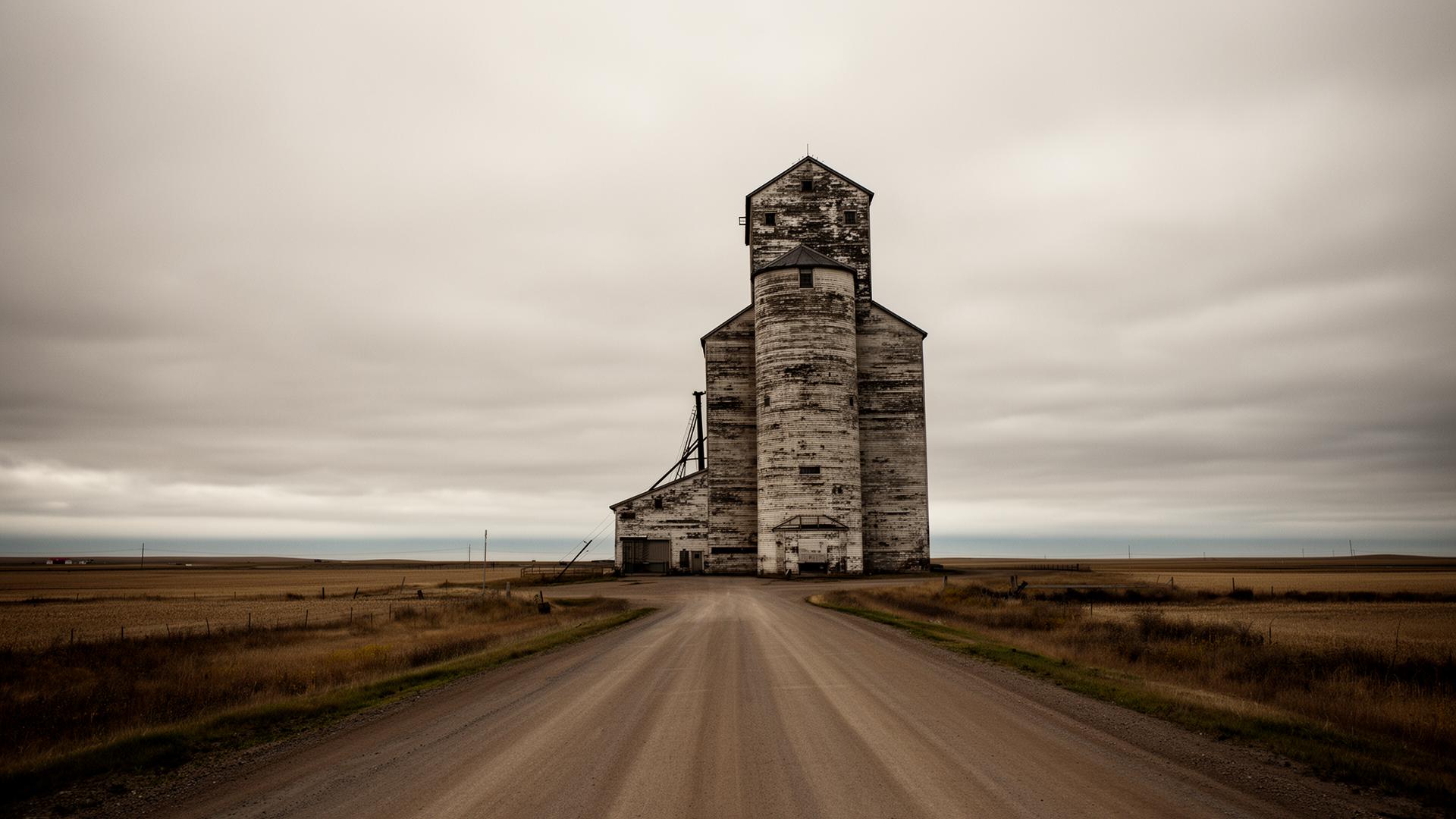
Saskatchewan’s markets have always relied on fair access and trust between participants.
Open access
Retailers and suppliers should be able to participate in the market on reasonable, transparent terms.
Fair competition
Pricing, product availability, and commercial arrangements should reflect competition on the merits.
Consumer choice
Saskatchewan consumers benefit when product variety, innovation, and pricing are shaped by genuine competition.
Accountable oversight
Public confidence depends on rules that are clear, applied consistently, and open to review.
What a fair market should protect.
Retailer choice
Retailers should be able to select products based on customer demand, pricing, quality, availability, and fit, without unreasonable restrictions.
Supplier opportunity
Licensed producers and brands should have a fair opportunity to reach Saskatchewan retailers through reasonable and transparent channels.
Consumer benefit
Consumers benefit when product variety, pricing, service quality, and innovation are shaped by genuine competition.
Regulatory confidence
A healthy regulated market requires clear rules, transparent oversight, and confidence that concerns will be reviewed fairly.
Ask SLGA to restrict vertical integration.
The Saskatchewan Liquor and Gaming Authority (SLGA) sets the rules for how cannabis is distributed and sold in this province. SLGA and the Government of Saskatchewan can close the vertical-integration gap by adopting the same kind of structural safeguards already used across the country.
The single most useful action is to contact SLGA and provincial decision-makers and ask for those safeguards.
Restrict vertical integration
Prohibit the same interests from operating across wholesale, retail, and licensed producer or brand tiers, in line with Ontario, BC, Alberta, Manitoba, and Quebec.
Require ownership disclosure
Require public disclosure of common ownership, affiliation, and influence across the wholesale, retail, and supply tiers of Saskatchewan's cannabis market.
Limit wholesale exclusivity
Limit or prohibit exclusivity arrangements that lock independent suppliers or retailers out of fair access to the Saskatchewan market.
Contact SLGA directly
Write to the Saskatchewan Liquor and Gaming Authority and to your MLA. Ask for structural restrictions on vertical integration in Saskatchewan’s cannabis market. Keep it factual, respectful, and focused on policy.
SLGA general contact: slga.com/contact-us
Find your MLA: legassembly.sk.ca/mlas
Share the policy ask
Forward the sample letter to peers in the Saskatchewan cannabis industry — retailers, licensed producers, and independent suppliers — and ask them to send their own version to SLGA and their MLA. Policy change follows sustained, consistent pressure.
Sample message to decision-makers.
A factual, respectful template. Personalize before sending. Add the recipient and any relevant context from your own experience.
Subject: Request to restrict vertical integration in Saskatchewan's cannabis market

I am writing to ask the Saskatchewan Liquor and Gaming Authority (SLGA) and the Government of Saskatchewan to introduce clear restrictions on vertical integration in the province's cannabis market.

Saskatchewan is one of the only major Canadian cannabis markets that permits significant vertical integration between wholesale distribution, retail operations, and licensed producer or brand interests, without the structural safeguards used in British Columbia, Alberta, Manitoba, Ontario, and Quebec. Where common ownership or affiliation ties wholesale, retail, and supply together, retailer choice, supplier opportunity, and consumer access can be reduced.

I am not asking you to assume wrongdoing by any company or individual. I am asking for a policy response to a market-structure problem.

In particular, I ask that SLGA and the Government of Saskatchewan:

  - Introduce clear restrictions on vertical integration between wholesale, retail, and licensed producer or brand interests;
  - Require disclosure of common ownership, affiliation, or influence across the wholesale, retail, and supply tiers;
  - Limit or prohibit wholesale exclusivity arrangements that reduce fair access for independent suppliers and retailers;
  - Launch a public industry consultation on Saskatchewan's cannabis wholesale framework, using British Columbia, Alberta, Manitoba, Ontario, and Quebec as reference models.

A fair cannabis market supports retailer choice, supplier opportunity, consumer value, and public confidence in oversight. Saskatchewan should align with the structural safeguards other provinces already apply.

Please advise what process is available for stakeholders to formally raise these policy concerns.
Frequently asked questions.
Contact the campaign.
Reach out with questions, policy discussion, or media inquiries related to this campaign.